
Cider and sustainability: a commitment to the environment
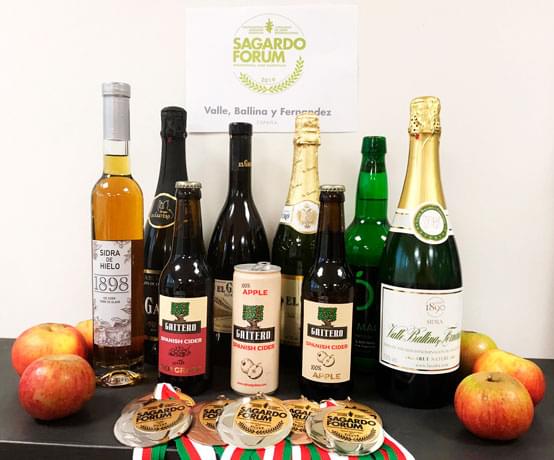
Sustainability has become one of the major challenges facing the agri-food industry. Consumers increasingly value the origin of the products they consume, the production processes used, and the environmental impact generated by companies. The cider sector is no exception to this trend, and many wineries are working to incorporate responsible practices into all phases of production. In this context, sustainable cider represents a natural evolution toward more environmentally friendly production methods, without sacrificing the quality or tradition that characterize this historic beverage.
Cider production is closely linked to nature. Apples, the drink's main raw material, depend directly on the health of agricultural ecosystems and the proper management of natural resources. Therefore, more and more producers are promoting initiatives related to energy efficiency, waste reduction, and sustainable practices in the wineryCompanies with a long history in the sector, such as Cider El GaiteroThey are part of an industry that is moving towards production models that are increasingly committed to the environmental responsibility.
The historical relationship between cider and the natural environment
Cider is a beverage deeply linked to the land. Its production depends on apple trees, climatic conditions, and the natural resources that allow for the development of agricultural activity.
For centuries, cider production has been part of the landscape of many cider-producing regions. This historical connection with the natural environment has fostered a greater awareness of environmental conservation and the responsible use of resources.
Sustainability is not just a recent trend, but an inherent need for any activity that depends directly on agriculture.
What does it really mean to talk about sustainable cider?
The concept of sustainable cider encompasses a set of actions aimed at minimizing the environmental impact associated with the production of the beverage.
It's not just about growing apples responsibly. It also includes aspects related to energy efficiency, waste management, water conservation, transportation, and packaging design.
Sustainability involves analyzing each stage of the production chain to identify opportunities for improvement and reduce the impact on the environment.
The importance of responsible apple farming
The quality of cider begins with the apple tree. Therefore, agricultural practices play a fundamental role in any sustainability strategy.
Proper soil management, rational use of resources, and protection of biodiversity contribute to maintaining healthy and productive agricultural ecosystems in the long term.
Furthermore, responsible agriculture helps to preserve the natural balance and promotes the conservation of traditional landscapes associated with apple cultivation.
Sustainable practices in the winery
Sustainable winery practices are one of the fundamental pillars of responsible production.
Modern facilities increasingly incorporate measures designed to optimize energy consumption and improve the efficiency of production processes. These actions reduce emissions and minimize the unnecessary use of resources.
Technological innovation has become a great ally in moving towards more environmentally friendly manufacturing models.
Efficient water management
Water is an essential resource in many phases of food production, including cider making.
For this reason, many wineries are working to optimize their water use through control systems, reuse, and process improvement. Reducing water consumption not only benefits the environment but also contributes to more efficient management of production activities.
Protecting this resource is especially important in a context of growing concern about water availability.
Waste reduction and valorization
Cider production generates by-products that can be managed responsibly to reduce waste generation.
The reuse of certain materials allows us to move towards circular economy models where resources are used more efficiently. This philosophy helps reduce environmental impact and promotes more sustainable production management.
Waste valorization has become one of the most important strategies within the modern agri-food industry.
Energy efficiency in cider production
Energy is another factor that directly influences the environmental footprint of any industrial activity.
Many wineries incorporate energy-saving systems, more efficient technologies, and measures aimed at optimizing consumption during production and storage processes.
Continuous improvement in this area allows for cost reduction and progress towards more sustainable production.
Packaging and sustainability
Packaging plays a fundamental role in protecting and preserving cider, but it also generates an environmental impact that must be properly managed.
The use of recyclable materials and optimized packaging formats help reduce the amount of resources needed for packaging. They also facilitate proper waste management once the product has been consumed.
Innovation in packaging is one of the areas where the most progress is being made within the sector.
Environmental responsibility as a corporate commitment
Environmental responsibility is not limited solely to compliance with current regulations. Increasingly, companies are integrating sustainability into their overall management strategy.
This vision involves making commitments related to reducing environmental impact, continuously improving processes, and collaborating with suppliers and local communities.
Sustainability is understood as a shared responsibility that involves all actors in the value chain.
The role of the consumer in sustainability
Consumers are playing an increasingly important role in the transformation of production models.
The growing demand for responsibly produced goods is driving companies to develop sustainability-oriented initiatives. This trend demonstrates that purchasing decisions can also contribute to promoting more environmentally friendly practices.
Social awareness acts as a driver of change within numerous economic sectors.
Innovation and tradition moving forward together
One of the most interesting aspects of the cider sector is its ability to combine tradition and innovation.
Cider making maintains processes and knowledge passed down through generations, but at the same time incorporates new technologies aimed at improving efficiency and reducing environmental impact.
This combination allows the essence of the product to be preserved while responding to current environmental challenges.
A future increasingly committed to the environment
Sustainable cider represents a necessary evolution within an industry closely linked to nature and the land. Thanks to the implementation of sustainable practices in wineries , improved energy efficiency, responsible resource management, and a commitment to environmental responsibility , the sector is moving towards more balanced and respectful production models.
Sustainability not only helps protect the natural environment on which cider production depends, but also helps ensure the future viability of a centuries-old tradition. Investing in responsible processes is a way to preserve both the quality of the product and the landscapes and resources that make its existence possible.