
How much alcohol is in cider?
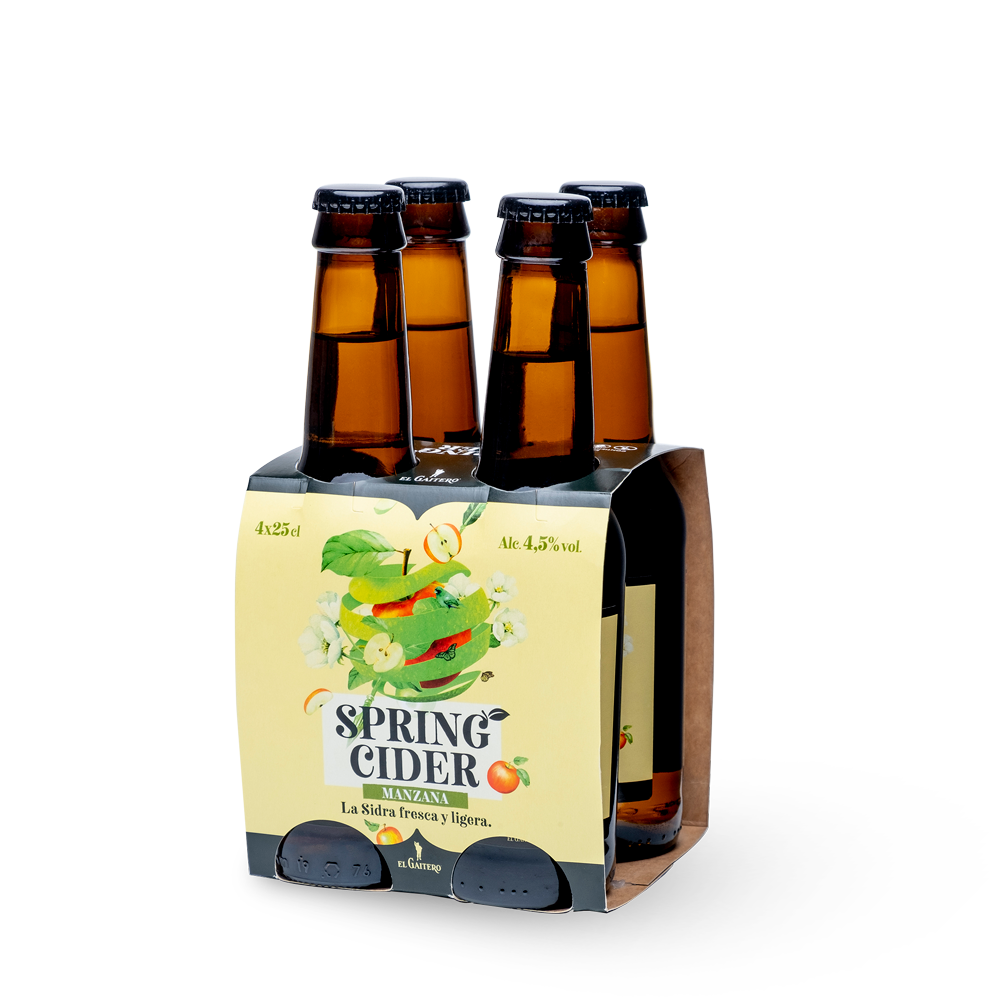
La cider It's one of the most emblematic drinks of northern Spanish culinary culture and, at the same time, one of those that generates the most questions regarding its alcohol content. Many people wonder what the actual alcohol content is. alcohol in ciderWhether it's a mild drink or if it can be compared to other common options like beer or wine. Exploring the world of cider and learning about historic brands like Cider El Gaitero, as well as the different varieties available of ciderIt becomes easier to understand why this drink stands out for its balance between flavor, freshness and moderate alcohol content.
Knowing its alcohol content not only helps to consume it responsibly, but also to better appreciate its character and its role within culinary tradition.
What is cider and how is its alcohol obtained?
Cider is a fermented alcoholic beverage made from apple juice. Unlike spirits, it is not distilled, meaning that the alcohol it contains comes exclusively from the natural fermentation of the sugars present in the fruit.
During this process, yeast transforms sugars into alcohol and carbon dioxide. The fermentation time, the apple variety used, and the brewing style directly influence the final result, both in flavor and alcohol content.
This natural origin is one of the reasons why cider is perceived as a lighter and more refreshing drink, especially when consumed cold and in the right gastronomic context.
Alcohol in cider and typical ranges
The alcohol content in cider is usually moderate compared to other alcoholic beverages. Generally, traditional cider has an alcohol content ranging from 4% to 6% by volume.
This alcohol level places it in a similar position to many commercial beers, well below wine and, of course, spirits. This moderate alcohol content is one of the keys to its popularity, as it allows for a more relaxed and prolonged enjoyment.
There are some milder varieties and others that are slightly more intense, but in general, cider maintains that balanced profile that makes it suitable for multiple occasions.
Differences between types of cider and their alcohol content
Not all ciders have exactly the same alcohol content. The differences depend on the brewing style and the target audience. Some ciders are made with a lighter profile, with less sugar fermentation, while others opt for a more complete fermentation.
Traditional natural ciders are usually found at the higher end of the alcohol range, while sweeter or sparkling ciders tend to have a slightly lower alcohol content. This variety allows every consumer to find an option to suit their taste.
In addition, there are non-alcoholic ciders or ciders with virtually zero alcohol content, made for those who wish to enjoy the characteristic flavor of cider without the effects of alcohol.
Comparison of cider with other alcoholic beverages
When cider is compared to other common drinks, its profile becomes quite clear. Compared to wine, whose alcohol content often easily exceeds 10%, cider is noticeably lighter. This leads many people to perceive it as an intermediate option between fermented soft drinks and traditional alcoholic beverages.
Compared to beer, cider shares a similar alcohol range, although it offers a completely different flavor profile—fruitier and less bitter. This difference makes cider an attractive alternative for those seeking variety without increasing their alcohol consumption.
Finally, when compared to liquors or distilled beverages, cider has a much lower alcohol content, which reinforces its character as a social and gastronomic drink.
The role of cider in responsible consumption
Although cider has a moderate alcohol content, it is still an alcoholic beverage. It should always be consumed responsibly, especially if you are going to be doing activities that require alertness or driving.
The traditional way of consuming cider, by serving small amounts and savoring it slowly, encourages this mindful consumption. It's not about drinking quickly, but about relishing the cider and pairing it with food and conversation.
This cultural approach has contributed to cider being associated more with leisurely enjoyment than with excessive consumption.
Cider and gastronomy: a natural combination
Beyond its alcoholic content, cider holds a prominent place in gastronomy. Its acidity and freshness make it an ideal accompaniment to hearty dishes, cheeses, fish, and seafood.
In many regions, cider is not seen as a standalone beverage, but as part of a complete culinary experience. This integration with food also influences the perception of its alcohol content, as it is consumed in a more balanced way.
Understanding cider within this context helps to better appreciate its role and enjoy it in moderation.
Factors that influence the perception of alcohol
The perception of alcohol in cider depends not only on its alcohol content. The flavor, temperature, and how it's consumed all greatly influence how it feels. A well-chilled, slightly sparkling cider can seem milder than it actually is.
Furthermore, the fruity character and natural acidity of the apple can mask the alcohol, making it less noticeable. Therefore, even though it's a light drink, it shouldn't be underestimated.
Being aware of these factors helps to maintain responsible consumption and enjoy cider with greater knowledge.
Enjoy cider with information and balance
Knowing the alcohol content of cider allows you to enjoy it more mindfully. Its moderate alcohol content, generally between 4% and 6%, makes it an accessible and versatile drink, ideal for celebrations, meals, or social gatherings.
Cider combines tradition, flavor, and a balanced alcohol content, which explains its growing popularity. Understanding these characteristics not only enhances the drinking experience but also helps to appreciate a beverage that is part of the culture and culinary identity of many regions.
Enjoying cider is, ultimately, a matter of balance: between flavor, tradition, and responsibility.