
How to distinguish an authentic Asturian cider
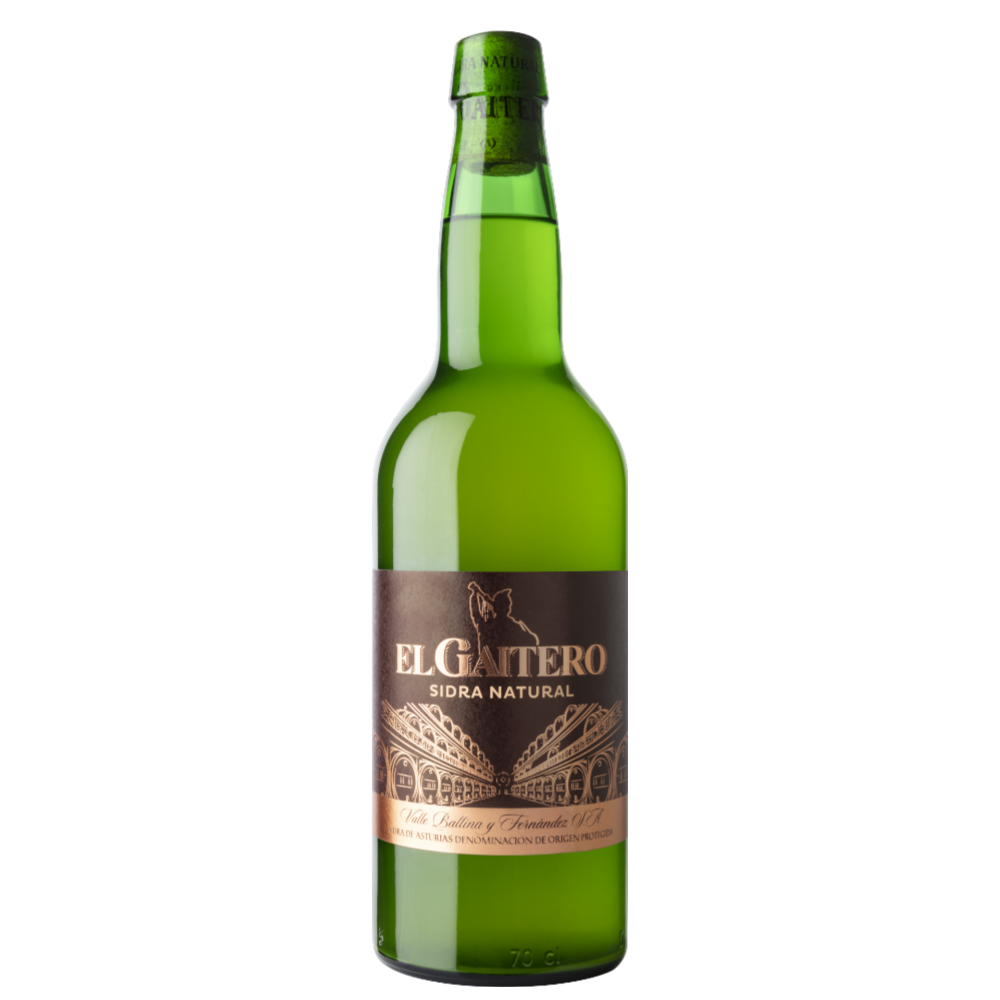
Asturian cider is one of the most emblematic products of Spanish gastronomy and a true cultural symbol of Asturias. Its prestige has been consolidated thanks to centuries of tradition, knowledge passed down through generations, and a close relationship with the land where it is produced. However, the growing interest in this beverage has led many consumers to wonder how to recognize authentic Asturian cider and what elements distinguish it from other ciders.
Identifying a cider genuinely linked to Asturias involves examining various aspects related to its origin, production, labeling, and unique characteristics. Understanding these elements is fundamental to appreciating the value of a beverage that forms part of Asturian cultural heritage. Historic companies such as Cider El Gaitero They are part of a cider tradition that has helped to spread the image of Asturias within and outside of Spain.
The importance of origin in Asturian cider
When discussing authenticity in agri-food products, origin plays a fundamental role.
Asturian cider is closely linked to a specific territory where climatic conditions, traditional knowledge, and a cider-making culture developed over centuries converge. This context contributes characteristics that form part of the product's identity.
Therefore, one of the first aspects to consider for the identification of authentic cider is to know its origin and the information that appears on the label.
The cider tradition as a differentiating factor
Asturias has a long history linked to cider production.
The experience accumulated by generations of producers has allowed for the development of specific techniques for apple cultivation and beverage production. This tradition continues to be one of the main guarantees of authenticity.
Asturian cider culture not only influences production, but also the way cider is consumed and understood.
What role does the designation of origin play?
The designation of origin is one of the most important mechanisms for protecting products linked to specific territories.
In the case of cider, these systems make it possible to guarantee that certain products meet requirements related to the origin of raw materials, production methods and established quality controls.
For many consumers, the presence of recognized certifications is an important reference point when identifying authentic products.
Labeling information
Labeling provides very valuable information about any beverage.
The label contains information about the producer, the place of production, the product's characteristics, and other elements that help to better understand its origin. Carefully reading the label is one of the first steps in identifying a cider linked to Asturias.
Informational transparency is a fundamental tool for the consumer.
The apple as the basis of authenticity
The quality of cider begins with the raw materials used to make it.
The Asturian cider-making tradition is closely linked to the cultivation of specific apple varieties adapted to the region's conditions. These varieties contribute particular characteristics that influence the final profile of the beverage.
The relationship between territory and raw materials is one of the pillars that support the authenticity of the product.
How to recognize Asturian cider through its characteristics
Although each producer develops their own profiles, there are certain traits traditionally associated with Asturian cider.
The balance between acidity, freshness, and aromatic complexity is among the characteristics valued by consumers and experts. These qualities are the result of multiple factors involved in production.
However, sensory perception should always be complemented with objective information about the origin and production.
The culture of pouring and its relationship with authenticity
One of the most representative elements of Asturian cider is the pouring technique.
This traditional serving technique allows the cider to oxygenate and highlights certain sensory characteristics. Although not all ciders necessarily require this type of service, pouring from a height (escanciado) is an integral part of Asturian cider culture.
Its presence reinforces the connection between the product and the traditional customs of the region.
The role of cider houses in preserving tradition
Cider houses have historically played a fundamental role in spreading cider culture.
These establishments serve as spaces where knowledge, customs, and consumption practices are shared, helping to preserve the identity of Asturian cider. Furthermore, they allow visitors to experience an authentic connection to the region.
Gastronomic culture is an essential part of the product's authenticity.
Market evolution and the importance of information
The growing interest in cider has favored the emergence of new products and formats in numerous markets.
This diversity can be positive for the consumer, but it also makes it even more important to have clear information about the origin and characteristics of each product. Knowing the basic identifying elements allows for more informed choices.
Consumer education plays an increasingly important role.
Tradition and innovation coexist in Asturian cider
Authenticity does not imply immobility.
The cider sector has incorporated technological advancements and improvements in production processes without abandoning the traditional values that define the beverage's identity. This combination of experience and innovation helps maintain the product's quality and competitiveness.
The constant evolution of the sector demonstrates that tradition and modernity can coexist in a balanced way.
The importance of international recognition
Asturian cider has managed to consolidate a reputation that transcends regional borders.
Their presence in international markets and the growing interest in products with a territorial identity have reinforced the value of authenticity. Consumers are increasingly seeking products that can convey a story and a genuine connection to their place of origin.
Authenticity has become a highly relevant differentiating factor.
Authenticity as a reflection of a centuries-old tradition
Understanding how to recognize Asturian cider involves looking at much more than just a label. The authenticity of this beverage is built upon a combination of territory, tradition, raw materials, production expertise, and popular culture.
Properly identifying authentic cider involves assessing aspects related to its origin and protection systems such as designations of origin , which help guarantee certain standards of quality and provenance. Thanks to these elements, Asturian cider continues to be one of the great gastronomic icons of Asturias and a living expression of its cultural heritage.