
Non-alcoholic cider: how is the original flavor maintained?
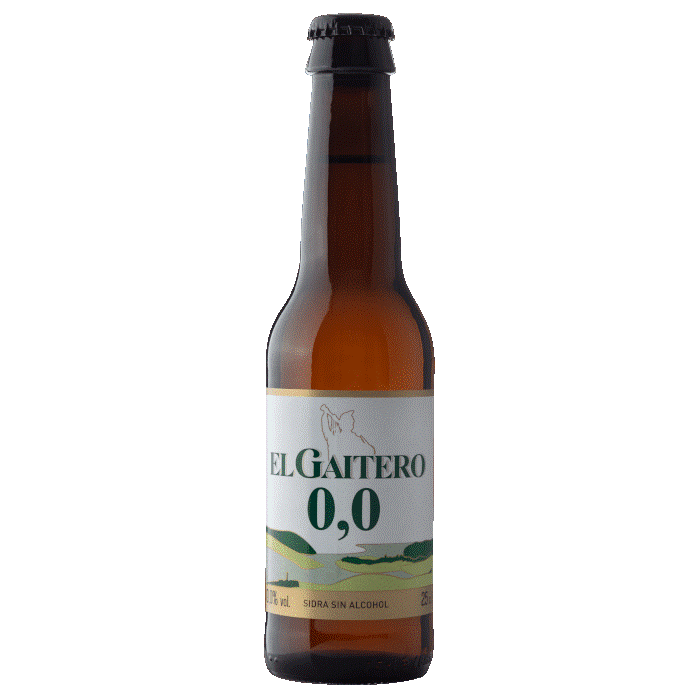
The growing demand for non-alcoholic beverages has driven the emergence of new alternatives for consumers who want to enjoy traditional flavors without consuming alcohol. Within this trend, the cider is alcohol It has managed to establish itself as an increasingly popular option thanks to technological advances applied to its production. Maintaining the organoleptic characteristics of a beverage traditionally made from fermented apples presents a significant technical challenge, but current methods allow for very satisfactory results. Companies with a long history in the sector, such as Cider El GaiteroThey have contributed to the evolution of products that seek to preserve the essence of traditional cider while adapting to new consumer preferences.
Making non-alcoholic cider requires combining cider-making knowledge, process control, and specific technologies capable of reducing or eliminating the alcohol content without significantly altering the aromatic and taste profile of the beverage.
The rise of non-alcoholic beverages
Over the past few years, the non-alcoholic beverage market has experienced significant growth in numerous countries.
More and more consumers are seeking alternatives that align with healthy lifestyles, driving situations, or personal preferences that involve reducing or eliminating alcohol consumption. This shift in habits has driven innovation across multiple beverage categories.
Cider has been no exception and has evolved to offer options capable of maintaining many of the characteristics that have made it popular for generations.
Traditional cider as a starting point
To understand how non-alcoholic cider is produced, it is important to remember how conventional cider is made.
The base of any cider is the must obtained from apples. During fermentation, yeasts transform some of the natural sugars into alcohol and aromatic compounds that contribute to the final flavor of the beverage.
This process generates many of the characteristics that we traditionally associate with cider, so removing the alcohol later without altering those attributes poses a significant technological challenge.
The importance of preserving aromas
One of the main objectives during the production of non-alcoholic cider is to preserve the aromas developed during fermentation.
Aromatic compounds add complexity and personality to the beverage. If they disappear during the dealcoholization process, the result can deviate considerably from the profile expected by the consumer.
For this reason, current technologies seek to minimize the loss of these components and preserve the original identity of the product.
What are dealcoholization techniques?
Dealcoholization techniques are procedures that allow the reduction or elimination of the alcoholic content of a beverage once fermentation is complete or during certain phases of the production process.
There are different methods used in the food industry to achieve this goal. The choice of a specific technique depends on factors such as the type of beverage, the characteristics to be preserved, and the desired end results.
Technological innovation has made it possible to develop increasingly precise systems that respect the sensory properties of the beverage.
Dealcoholization and flavor preservation
One of the biggest challenges is separating the alcohol without simultaneously removing other compounds responsible for the aroma and flavor.
Alcohol shares certain physical properties with some aromatic components, making its selective extraction difficult. For this reason, modern processes are carefully designed to minimize alterations in the organoleptic profile.
The goal is for the consumer to perceive an experience as close as possible to that of a traditional cider.
Technology as an ally of quality
Technological advances have profoundly transformed the production of non-alcoholic beverages.
Modern systems allow for levels of precision that were difficult to achieve decades ago. Thanks to this, modern non-alcoholic ciders offer much more balanced aromatic and flavor profiles than products developed in earlier times.
Technology plays a fundamental role in the continuous improvement of quality.
What does 0.0 cider really mean?
The term "0.0 cider" refers to products whose alcoholic content is practically nonexistent according to the limits established by the corresponding regulations.
This category allows consumers to enjoy a beverage inspired by traditional cider without the alcohol. Its popularity has increased significantly due to the growing demand for alternatives that fit different lifestyles.
Transparency in labeling is essential to ensure that consumers receive accurate information.
The role of raw materials
Although technology is important, the quality of the apple used remains a decisive factor.
High-quality raw materials provide a richer aromatic base and facilitate the production of final products with greater sensory complexity. The appropriate selection of apple varieties directly influences the final result.
Quality always begins at the origin of the product.
The consumer's sensory experience
The success of a non-alcoholic cider depends largely on the consumer's perception during tasting.
Aspects such as aroma, the balance between sweetness and acidity, mouthfeel, and refreshing character all contribute to defining the overall experience. Producers work to ensure these characteristics remain even after the dealcoholization process.
Customer satisfaction remains the primary development goal.
An alternative for multiple occasions
Non-alcoholic cider offers great versatility in consumption.
It can be enjoyed at family gatherings, celebrations, meals, social events, or simply as a refreshing drink at any time of day. This versatility has contributed to its broad appeal among a wide range of people.
The possibility of sharing a drink inspired by the cider tradition without consuming alcohol is especially attractive to many people.
Innovation and tradition working together
The evolution of non-alcoholic cider demonstrates that tradition and innovation are not incompatible concepts.
The knowledge accumulated over generations of cider-making is now combined with advanced technologies capable of meeting the demands of today's market. This collaboration allows for the development of products that retain much of the essence of traditional cider.
The result is a beverage that maintains a strong connection to its roots while adapting to new consumption habits.
The constant search for the original flavor
The production of non-alcoholic cider represents one of the most interesting examples of innovation within the beverage sector. Thanks to modern dealcoholization techniques , it is possible to reduce or eliminate alcohol while preserving many of the aromas and flavors that characterize traditional cider.
The development of 0.0% cider products responds to a growing demand for alcohol-free alternatives that don't require sacrificing the pleasure of a good cider. The combination of high-quality raw materials, expert brewing techniques, and advanced technology allows us to offer beverages that are increasingly faithful to the sensory profile consumers expect from authentic cider.