
The importance of aging time in natural sparkling cider
The production of a good natural sparkling cider is the result of numerous factors, from the selection of the apples to the moment the bottle reaches the consumer. Among all these elements, one of the most crucial is the aging process. This process, which requires patience, control, and experience, plays a fundamental role in the evolution of the beverage's aromatic, gustatory, and visual characteristics. The aging of sparkling cider not only influences the complexity of the final product but is also one of the aspects that most contributes to the consumer's perception of quality.
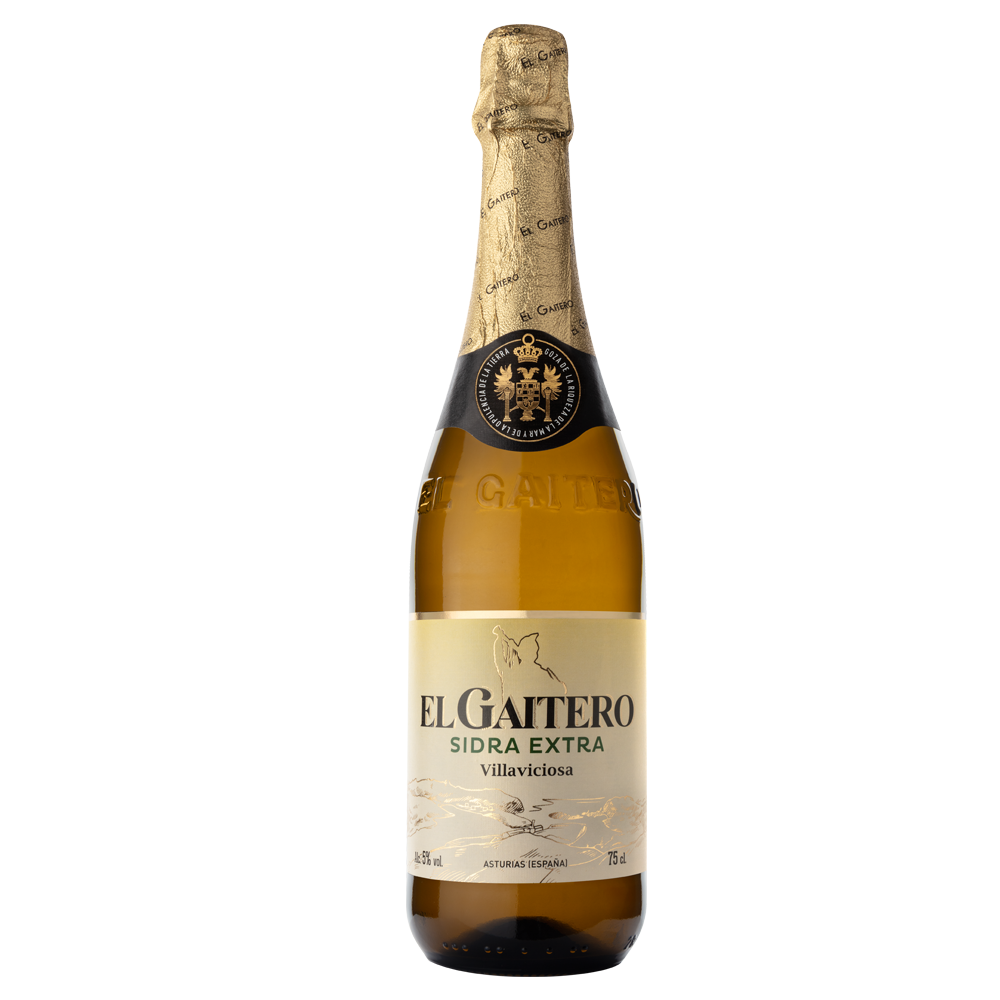
The major manufacturers, among them Cider El GaiteroThey have known for generations the importance of respecting the necessary time for cider to reach its full potential. In a market where quality and differentiation are increasingly important, proper maturation remains one of the fundamental pillars of cider making.
What is meant by aging in sparkling cider?
Aging is the period during which the cider remains evolving after certain stages of production, allowing new sensory characteristics to develop.
During this time, physical and chemical processes take place that gradually modify the beverage's profile. The interaction between different compounds generates greater aromatic complexity and contributes to the integration of flavors and textures.
Far from being a simple wait, aging is an active stage that transforms the personality of the cider.
Patience as part of the manufacturing process
In an era marked by immediacy, nurturing continues to demonstrate that some products need time to reach their best version.
The production of quality beverages requires respecting natural rhythms that cannot be accelerated without compromising the final result. Sparkling cider is a clear example of this.
Time acts as another ingredient within the production process and allows the beverage to develop nuances impossible to obtain through rapid procedures.
How the maturation of cider influences its aromas
One of the most obvious aspects of cider maturation is the evolution of its aromas.
During aging, certain aromatic compounds transform and gradually integrate, resulting in more complex and balanced profiles. The initial fruity notes can coexist with new nuances that enrich the tasting experience.
This aromatic evolution is one of the elements most appreciated by those seeking quality ciders.
The influence on flavor and structure
Aging also modifies the perception of taste in the mouth.
As time passes, certain components harmonize, reducing potential imbalances and creating a more well-rounded and pleasant feel. This integration contributes to improving the overall consumer experience.
The evolution of flavor is one of the reasons why aging time is considered so important within the production process.
The formation and quality of bubbles
In sparkling ciders, the bubbles play an essential role from both a visual and sensory point of view.
Proper aging contributes to the development of a finer and more persistent effervescence. This characteristic directly influences the texture of the beverage and the sensations it generates during tasting.
The quality of the bubbles is often considered one of the indicators of careful production.
The relationship between aging and quality in ciders
When discussing cider quality , aging time frequently appears as one of the determining factors.
Not all ciders require the same maturation periods, but those made with special attention to this aspect tend to have greater complexity and refinement. The patience applied during production is later reflected in the consumer's experience.
Quality does not depend solely on time, but well-managed time is a fundamental tool for achieving it.
The importance of control during rearing
The aging process does not simply consist of storing the cider for a certain period of time.
Environmental conditions, temperature, stability, and other factors must be kept under control to ensure proper development. Improper management could negatively affect the product's characteristics.
Therefore, technical expertise is as important as the duration of the process itself.
Tradition and accumulated knowledge
Cider making has been part of Asturias' cultural heritage for centuries.
Over time, producers have accumulated knowledge that allows them to better understand how aging influences the evolution of the beverage. This experience is one of the sector's most valuable assets.
Tradition not only provides identity, but also a deep understanding of the processes necessary to obtain quality products.
The perception of the current consumer
Consumers are showing increasing interest in knowing how the products they consume are made.
Aspects such as origin, selection of raw materials, and production times are generating increasing interest among those who value authenticity and quality. Aging has become one of the elements that helps differentiate certain products in the market.
Understanding the role of time allows one to better appreciate the work that exists behind each bottle.
Upbringing as a differentiating factor
In a market where competition is increasingly fierce, the ability to offer products with their own unique personality is fundamental.
Aging imparts uniqueness and helps build sensory profiles that distinguish one cider from another. This added value is especially important for producers seeking to position themselves in premium segments.
Differentiation based on excellence continues to be a relevant strategy for the sector.
The evolution of cider during storage
Even after bottling, cider can continue to undergo small transformations that influence its characteristics.
Stability and control of storage conditions allow the product to maintain the qualities developed during aging. Therefore, proper management of all subsequent stages is also important.
The final quality depends on a chain of care that extends far beyond the initial preparation.
Time as an ally of excellence
The aging of sparkling cider is one of the most important processes for achieving high quality. Thanks to proper maturation, the cider develops more complex aromas, better-integrated flavors, and a more elegant effervescence.
When discussing cider quality , time plays a crucial role. Patience, technical expertise, and respect for natural processes allow for the production of ciders that offer richer and more balanced tasting experiences. In natural sparkling cider, time is not simply a phase of the process: it is one of the key ingredients that decisively contribute to its character and personality.