
Trends in cider consumption in 2026
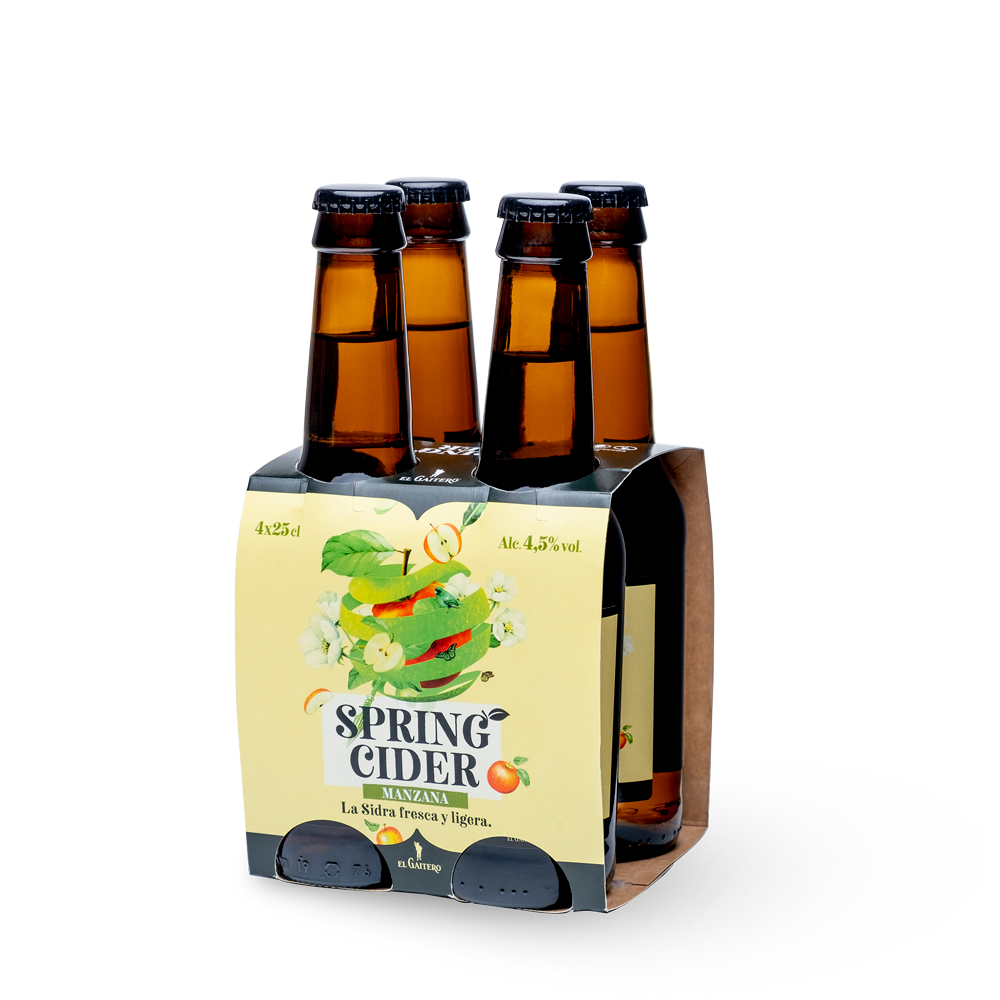
Cider is undergoing a transformation marked by evolving consumption habits, innovative formats, and a growing interest in products with a distinct identity. While it remains a beverage deeply rooted in tradition, especially in producing regions like Asturias, its market continues to adapt to new consumer demands. Cider is no longer perceived solely as a drink associated with specific celebrations or regional contexts, but rather as an option capable of appealing to a wide range of consumers.
Historic brands like Cider El Gaitero They are part of a sector that has successfully combined tradition and innovation to respond to new trends. Analyzing the cider consumption trends It allows for a better understanding of how the market is evolving and what the key factors that will shape it may be. future of Asturian cider over the next few years
Cider is expanding its presence beyond traditional contexts
For decades, cider was primarily associated with family celebrations, Christmas festivities, and certain geographical areas where its consumption is part of the local culture.
However, this situation has been gradually changing. More and more consumers are incorporating cider into everyday consumption moments, such as informal meals, social gatherings, or gastronomic events. This shift is helping to expand growth opportunities for the sector.
Diversifying consumption occasions is one of the most visible trends today.
Greater interest in products with identity and origin
Consumers are showing a growing interest in knowing the origin of the products they consume and the story behind them.
In this context, cider has a significant advantage. Its connection to specific territories, centuries-old traditions, and recognized production methods provides a distinctive value that is particularly attractive to many buyers.
Authenticity has become a decisive factor within numerous beverage categories.
The evolution of cider towards new consumer profiles
One of the most relevant changes in the evolution of cider is the incorporation of new audiences.
Younger generations are showing interest in beverages with their own personality, innovative formats, and alternatives to more traditional options. Cider meets this demand thanks to its versatility and ability to adapt to different consumption styles.
This phenomenon is contributing to partially rejuvenating the image of the category.
The growth of alcohol-free options
The expansion of non-alcoholic beverages is a global trend that also affects the cider sector.
More and more people are looking for alternatives that fit into healthy lifestyles or situations where they don't want to consume alcohol. The emergence of new non-alcoholic cider products is a direct response to this growing demand.
Diversifying the offering allows us to reach consumers with very different needs and preferences.
The importance of sustainability
Sustainability continues to gain prominence in the purchasing decisions of many consumers.
Aspects related to energy efficiency, resource management, recyclable packaging, and reducing environmental impact are becoming increasingly important. Companies in the sector are aware of this reality and are working to integrate sustainability criteria into their processes.
Environmental concerns will increasingly influence the future of the market.
Gastronomy drives new opportunities
Gastronomy plays a fundamental role in spreading cider culture.
The growing focus on food pairings and culinary experiences has led to the incorporation of cider into increasingly diverse gastronomic offerings. Restaurants, specialized events, and food festivals all contribute to showcasing the versatility of this beverage.
The relationship between cider and gastronomy will continue to be one of the most important drivers of growth.
Digitalization is transforming the relationship with the consumer
The digital environment has profoundly changed the way consumers discover new products.
Social media, e-commerce platforms, and specialized content provide access to information that was previously much harder to find. This phenomenon also affects the cider sector.
Digital communication facilitates the dissemination of cider culture and helps to connect with new audiences.
More personalized consumer experiences
Today's consumers increasingly value experiences tailored to their individual interests.
In this context, companies are working to offer products that cater to different taste preferences, presentation formats, and consumption occasions. Personalization becomes an important tool for differentiation in the market.
Adaptability will be one of the key factors in the coming years.
Internationalization continues to advance
Cider has progressively expanded its presence in international markets.
Interest in gastronomic products with a strong regional identity is driving the expansion of traditional beverages with significant cultural ties. This trend opens new opportunities for producers seeking to broaden their reach beyond the domestic market.
Internationalization will continue to play a relevant role in the evolution of the sector.
Innovation without losing the traditional essence
One of the biggest challenges for any traditional product is to innovate without losing its identity.
Cider has demonstrated a remarkable ability to incorporate new technologies, formats, and commercial approaches while maintaining its connection to tradition. This combination is especially valuable for attracting new consumers without alienating those who are already part of the cider culture.
The balance between innovation and authenticity will remain fundamental.
Quality as a differentiating factor
In an increasingly competitive market, quality continues to be one of the most important factors for consumers.
Attention to detail during production, the selection of raw materials, and respect for production processes all contribute to strengthening trust in the category. This pursuit of quality is reflected in both traditional products and new market offerings.
Excellence will continue to be one of cider's main strengths.
The future of Asturian cider in a changing market
The future of Asturian cider will be marked by the sector's ability to adapt to new consumer expectations without losing the essence that has historically defined this beverage.
Current cider consumption trends show a clear shift towards diversification, sustainability, digitalization, and the pursuit of more personalized experiences. At the same time, authenticity, origin, and quality remain fundamental values for those who choose this beverage.
The evolution of cider demonstrates that tradition and innovation can coexist successfully. Thanks to this adaptability, cider will continue to occupy a prominent place in the food and beverage scene for years to come.